London Articles – Blog Categories
Quick Summary
- Top UK leadership courses for 2026 prioritize measurable impact, adaptability, and strategic application
- recognised qualifications like ILM and CMI offer significant career progression value
- selecting the right programme depends on your career stage, learning style, and specific development needs
- avoid common pitfalls by focusing on practical relevance, expert instructors, and robust post-training support
Why Invest in Leadership Training in the UK for 2026?
In 2026, the UK business environment demands more than just traditional management; it requires adaptive, strategic leadership capable of navigating rapid technological shifts, economic uncertainties, and evolving workforce dynamics. Investing in leadership training is no longer a luxury but a strategic imperative for individual career growth and organisational success.
Here’s why targeted leadership development is crucial right now:
Future-Proofing Your Career: The skills learned in leading programmes—such as Strategic Thinking, Continuous Innovation and Process Improvement, and Organisational Resilience—prepare you for future challenges and opportunities, ensuring your relevance in a competitive job market.
Driving Measurable Organisational Impact: Effective leadership directly correlates with improved team performance, higher employee engagement, and stronger financial outcomes. Training provides the tools to implement strategies that deliver tangible results.
Addressing the Skills Gap: Many organisations face a shortage of leaders equipped with advanced capabilities in areas like Leadership and Decision-Making in Crisis and Emergency Situations or Managing and Leading in a Multi-Cultural Workplace. Training fills these critical gaps.
Enhancing Personal Effectiveness: Beyond professional impact, leadership courses foster personal growth, boosting confidence, improving Effective Self Management, and refining Advanced Communication and Interpersonal Skills.
Staying Competitive: The best organisations continuously invest in their human capital. Providing access to top-tier leadership development courses ensures your team remains at the forefront of industry best practices.
What Are the Top Leadership Development Courses and Qualifications in the UK?
The UK offers a rich landscape of leadership development options, ranging from internationally recognised qualifications to highly specialised workshops. Understanding the different types and their accreditation is key to selecting the most impactful path for your career or team.
When considering best leadership courses UK in 2026, look for programmes that offer:
Accredited Qualifications (e.g., ILM, CMI):
- Institute of Leadership and Management (ILM): Highly respected, ILM qualifications are available at various levels (e.g., Level 3 for aspiring leaders, Level 5 for middle managers, Level 7 for senior leaders). They focus on practical application and are widely recognised across industries. An ILM qualification signifies a commitment to professional standards.
- Chartered Management Institute (CMI): CMI offers a similar range of qualifications, often with a stronger emphasis on strategic management and leadership. Achieving Chartered Manager status through CMI is a significant professional milestone, demonstrating advanced leadership capabilities.
University-Affiliated Executive Education:
- Leading UK universities (e.g., London Business School, Oxford Saïd, Cambridge Judge) offer intensive executive programmes. These are often short, highly focused, and designed for senior leaders or those on an accelerated career path. They provide access to cutting-edge research and world-class faculty.
Specialised Industry Leadership Training:
- Many sectors require industry-specific leadership nuances. For example, the Masterclass – International Oil and Gas Leadership or Strategic Leadership and Operational Excellence in the Oil Refinery Sector cater to unique challenges and regulatory environments.
Bespoke Corporate Leadership Programmes:
- For organisations looking to develop a cohort of leaders, custom-designed programmes offer unparalleled relevance. These can be tailored to address specific organisational challenges, strategic goals, and cultural contexts, leveraging internal case studies and relevant scenarios. LBTA excels in this area, developing programmes like The Leadership Development Programme and The Complete Course on Leadership.
Skill-Specific Workshops and Masterclasses:
- Sometimes, leaders need to hone a particular skill. Workshops focusing on Effective Negotiation, Persuasion and Critical Thinking, High Impact Business Communication, or Leadership Excellence in Handling Pressure and Stress provide targeted development without the commitment of a full qualification.
Key Providers and Programme Focus Areas
While LBTA focuses on delivering impactful, practical courses, it’s useful to understand the broader landscape. Many reputable providers, including universities and professional bodies, offer excellent options. The “best” choice is always the one that aligns with your specific needs.
| Programme Type | Target Audience | Key Focus Areas | Typical Duration | Accreditation / Recognition |
|---|---|---|---|---|
| ILM/CMI Qualifications | Aspiring to Senior Leaders | Management theory, practical application, strategic thinking, team leadership | Weeks to Months | Professional Body |
| Executive Education | Mid to Senior Executives | Strategic decision-making, innovation, global leadership, specific industry trends | Days to Weeks | University/Business School |
| Specialised Workshops | All Levels | Communication, negotiation, emotional intelligence, crisis management | 1-5 Days | Certificate of Completion |
| Bespoke Corporate Dev. | Organisational Cohorts | Custom-tailored to company strategy, culture, and specific skill gaps | Variable | Provider Specific |
| Online Leadership Courses | All Levels, Flexible Learners | Self-paced learning, foundational concepts, digital tools, global perspectives | Variable | Course Provider |

How Do You Choose the Right Leadership Training Course for Your Career Stage?
Selecting the best leadership training course requires a clear understanding of your current role, future aspirations, and specific development needs. What’s ideal for an emerging leader might be insufficient for a senior executive.
Consider these factors based on your career stage:
For Aspiring & Emerging Leaders (e.g., Team Leaders, Supervisors)
You’re transitioning from individual contributor to guiding others. Your focus should be on foundational skills.
Core Needs: Understanding leadership principles, effective delegation, team motivation, basic conflict resolution, and clear communication.
Recommended Courses: Look for programmes like The Essentials of Leadership, The Effective Supervisor, or Leadership and Management Skills for New Manager and Supervisor. These often cover Successful Planning, Organising and Delegating and Effective Self Management.
Qualifications: ILM Level 3 or CMI Level 3 are excellent starting points for formal recognition.
Focus: Building confidence, understanding team dynamics, and developing basic managerial competencies.
For Mid-Level Professionals & Managers (e.g., Department Heads, Project Managers)
You’re managing teams, projects, and potentially other managers. Your role demands strategic thinking and influencing skills.
Core Needs: Strategic planning, change management, advanced problem-solving, performance management, and developing emotional intelligence.
Recommended Courses: Programmes such as Effective Organisational Leadership, Leadership and Strategic Impact, Managerial Leadership, or Developing Emotionally Intelligent Management and Leadership Skills. Courses on Key Performance Indicators and Optimisation and Continuous Innovation and Process Improvement are highly valuable.
Qualifications: ILM Level 5 or CMI Level 5 are highly relevant, demonstrating a robust understanding of management and leadership.
Focus: Scaling impact, leading change initiatives, fostering a high-performance culture, and aligning team goals with organisational strategy.
For Senior Executives & Strategic Leaders (e.g., Directors, C-Suite)
You’re shaping organisational vision, driving large-scale transformation, and influencing stakeholders at the highest levels.
Core Needs: Advanced strategic planning, organisational resilience, complex decision-making, global leadership, governance, and crisis management.
Recommended Courses: Executive education programmes, masterclasses like Strategic Crisis Management, Smart Leadership – Achieving Strategy through Leadership and Innovation, or The Art of Strategic Management and Leadership. Programmes focusing on Organisational Resilience and Strategic Planning Professional are essential.
Qualifications: ILM Level 7 or CMI Level 7, or highly specialised executive programmes from top business schools.
Focus: Visionary leadership, navigating ambiguity, fostering innovation, and building sustainable competitive advantage.
A Decision Framework for Your Leadership Pathway
Use this checklist to guide your selection process:
Define Your Goals: What specific skills do you need to develop? What career aspirations will this training support?
Assess Your Current Level: Are you an emerging leader, mid-level manager, or senior executive?
Consider Learning Style: Do you prefer in-person, online, blended, or experiential learning?
Check Accreditation & Reputation: Is the course from a reputable provider, and does it offer recognised qualifications?
Evaluate Content & Relevance: Does the curriculum align with current industry trends and your practical needs for 2026?
Review Instructor Expertise: Are the instructors experienced practitioners or academic experts?
Look for Practical Application: Does the programme include case studies, simulations, or project work?
Consider Networking Opportunities: Will you connect with peers who can enrich your learning and future career?
Budget & Time Commitment: Does the course fit your financial resources and availability?
Post-Course Support: Are there options for coaching, mentorship, or alumni networks?
Comparing In-Person vs. Online Leadership Training: Which is Best for You?
The choice between in-person and online leadership training programs is a critical one, each offering distinct advantages and trade-offs. Your decision should align with your learning preferences, schedule flexibility, and the type of interaction you seek.
Here’s a comparison to help you decide:
| Feature | In-Person Leadership Training | Online Leadership Training |
|---|---|---|
| Interaction | High-touch, direct networking, immediate feedback, group exercises. | Varied (live virtual, forums, peer groups), self-paced components. |
| Flexibility | Fixed schedule, requires travel, less adaptable to personal commitments. | Highly flexible, learn anywhere, anytime, fits around work/life. |
| Engagement | Immersive, fewer distractions, dynamic classroom environment. | Requires self-discipline, potential for distractions, varied formats. |
| Networking | Strong, in-depth connections with peers and instructors. | Often broader but shallower, requires proactive engagement. |
| Cost | Generally higher (tuition, travel, accommodation). | Often lower (reduced overheads, no travel costs). |
| Technology | Minimal tech reliance (unless blended learning). | Requires stable internet, comfort with digital learning platforms. |
| Learning Style | Benefits kinesthetic and social learners, those seeking immersion. | Benefits independent, self-motivated, and time-constrained learners. |
| Best For | Intensive skill development, executive programmes, team retreats. | Foundational courses, continuous learning, global access, budget-conscious. |
For many, a blended approach, combining the best of both worlds, offers an optimal solution, allowing for foundational learning online with periodic in-person intensives for deeper engagement and networking.
What Common Mistakes Should You Avoid When Selecting Leadership Training?
Even with the best intentions, individuals and organisations often make missteps when choosing leadership training classes or leadership development courses. Avoiding these common pitfalls can significantly increase the return on your investment.
Here are the mistakes to watch out for:
Choosing Based Solely on Price: Opting for the cheapest option without assessing its content, instructor quality, or relevance can lead to ineffective training and wasted resources. Quality often comes with an investment.
Ignoring Programme Accreditation and Reputation: Unaccredited courses or those from unknown providers might not offer the same recognition or depth as those from established institutions or professional bodies (e.g., ILM, CMI). Always verify credentials.
Failing to Define Clear Objectives: Without a clear understanding of why you need the training and what specific outcomes you expect, it’s impossible to choose the right course or measure its success.
Selecting a “One-Size-Fits-All” Solution: Leadership is nuanced. A programme designed for entry-level supervisors won’t benefit senior executives, and vice-versa. Tailor the training to the specific career stage and needs, as outlined in the previous section.
Overlooking Instructor Experience and Pedagogy: A great curriculum can be undermined by a poor instructor. Look for trainers with real-world experience and a proven track record in adult education. Ensure the teaching methodology is engaging and promotes practical application.
Neglecting Post-Training Application: The learning doesn’t end when the course does. Without a plan to apply new skills back in the workplace, knowledge quickly fades. Look for programmes that offer follow-up support, coaching, or opportunities for implementation.
Focusing Only on Hard Skills: While strategic planning and data analysis are crucial, effective leadership heavily relies on Emotional Intelligence in Leadership Pinnacle, Advanced Communication and Interpersonal Skills, and Advanced Problem Solving and Decision Making. Don’t neglect these vital soft skills.
Not Considering Organisational Culture: For corporate training, if the course content clashes with the existing company culture or values, implementation will be challenging. Ensure alignment for greater impact.
How Can You Maximize the ROI of Your Leadership Development Investment?
Investing in leadership training is a significant decision. To ensure you get the maximum return on your time and financial commitment, a strategic approach to implementation and follow-up is essential.
Here’s a practical checklist to ensure your leadership development translates into tangible results:
Pre-Training Assessment:
- Identify Specific Gaps: Before enrolling, conduct a thorough assessment (e.g., 360-degree feedback, performance reviews) to pinpoint precise areas for development. This ensures the chosen course directly addresses genuine needs.
- Set Clear, Measurable Goals: Define what success looks like. For example, “Improve team engagement scores by 10% within six months” or “Successfully lead a cross-departmental project.”
- Communicate Expectations: Ensure both the participant and their direct manager understand the training’s objectives and how new skills will be applied.
During Training Engagement:
- Active Participation: Encourage participants to engage fully, ask questions, and contribute to discussions. The more interactive the experience, the deeper the learning.
- Reflective Journaling: Suggest keeping a journal to note key takeaways, personal insights, and potential application scenarios.
- Networking: Leverage opportunities to connect with peers, which can provide invaluable support and diverse perspectives.
Post-Training Application & Reinforcement:
- Immediate Application Plan: Within a week of completing the course, have participants draft an action plan detailing how they will apply their new skills in their role.
- Managerial Support & Coaching: Managers should actively support the implementation of new skills through regular check-ins, coaching, and providing opportunities for practice. This can tie into internal topics like The Effective Supervisor or Coaching for Success.
- Peer Learning Groups: Create internal forums or groups where participants can share experiences, challenges, and successes in applying their new leadership techniques.
- Continuous Feedback: Establish mechanisms for ongoing feedback, both formal and informal, to reinforce positive changes and address areas needing further development. This links to Effective Performance Review and Measuring and Maximising Training ROI.
- Follow-Up Training/Mentorship: Consider advanced modules or pairing participants with internal mentors to sustain momentum and deepen expertise in areas such as Authentic Leader Development or The Professional Negotiator.
- Measure Impact: Revisit the initial goals and assess the impact of the training using relevant KPIs (e.g., project success rates, employee retention, innovation metrics). This demonstrates the tangible ROI.
Building a Personalized Leadership Development Pathway in the UK
Effective leadership isn’t a destination; it’s a continuous journey. For sustained growth, a single course is rarely enough. Instead, consider building a personalized leadership development pathway that evolves with your career. This approach ensures that your learning is always relevant, progressive, and aligned with both your personal aspirations and organisational needs.
Here’s how to construct your pathway:
Self-Assessment and Gap Analysis:
- Start with a honest self-reflection of your strengths and weaknesses. Use tools like 360-degree feedback, personality assessments, or performance reviews to identify specific competencies that need development.
- Align these with your career goals: Do you want to move into strategic roles? Lead larger teams? Drive innovation? This will pinpoint areas for courses like Strategic Planning Professional or Innovative Leadership Competencies.
Modular Learning and Staged Progression:
- Instead of one large programme, break down your development into smaller, manageable modules. Begin with foundational courses, then progress to more advanced or specialised topics.
- Example: Start with The Essentials of Leadership, then move to Effective Organisational Leadership, and later to Leadership and Strategic Impact or Advanced Strategic Management.
Blending Formal and Informal Learning:
- Formal: Accredited courses, workshops, executive education.
- Informal: Mentorship, coaching (e.g., from Coach Training Course concepts), stretch assignments, reading industry literature, and active participation in professional networks.
- A balanced approach ensures both structured knowledge acquisition and practical, on-the-job application.
Integrating Diverse Skill Sets:
- Leadership is multifaceted. Your pathway should include a mix of hard and soft skills.
- Hard Skills:Business Strategy Essentials, Data Management, Manipulation and Analysis using Excel, Key Performance Indicators and Optimisation.
- Soft Skills:Advanced Communication and Interpersonal Skills, Effective Negotiation, Persuasion and Critical Thinking, Mastering Emotional Intelligence – Skills for Excellent Leadership.
- Consider courses that foster both, such as The Complete Course on Management and Leadership.
Regular Review and Adaptation:
- Your development pathway isn’t static. Review your progress annually, re-assess your needs, and adjust your plan based on new career opportunities, organisational changes, and emerging industry trends.
- This iterative process ensures your leadership development courses remain dynamic and relevant for 2026 and beyond.
Expert Insight
“The landscape of leadership in 2026 demands agility and a human-centric approach. Technical skills can be taught, but true leadership hinges on the ability to inspire, adapt, and foster psychological safety within teams. The most impactful training programmes in the UK are those that don’t just impart knowledge, but actively cultivate emotional intelligence, critical thinking, and a leader’s capacity for authentic engagement, ensuring they can navigate complexity with both competence and compassion.”
— Industry experts confirm that embracing soft skills alongside strategic acumen is key for modern leaders.
Key Terms
Leadership Development Courses: Structured programmes designed to enhance an individual’s leadership capabilities, covering a range of skills from foundational management to strategic executive functions.
Accredited Qualifications: Certifications (e.g., ILM, CMI) recognised by professional bodies, indicating adherence to specific standards of quality and competency in leadership and management.
Strategic Thinking: The ability to understand the broader context of an organisation, anticipate future challenges and opportunities, and formulate long-term plans to achieve objectives.
Emotional Intelligence (EQ): The capacity to understand and manage one’s own emotions, and to perceive, understand, and influence the emotions of others, crucial for effective team dynamics and communication.
Organisational Resilience: The ability of an organisation to anticipate, prepare for, respond to, and adapt to incremental change and sudden disruptions in order to survive and prosper.
How Can LBTA Support Your Professional Growth?
At LBTA, we understand that effective leadership is the cornerstone of organisational success. For over three decades, we have been at the forefront of delivering world-class leadership training programs and development solutions across the UK and globally. Our extensive portfolio, including courses like The Essentials of Leadership, Effective Organisational Leadership, Leadership and Strategic Impact, and The Complete Course on Leadership, is meticulously designed to meet the diverse needs of professionals at every career stage.
We pride ourselves on:
Practical, Results-Oriented Content: Our programmes are built on real-world scenarios and actionable strategies, ensuring participants gain skills they can immediately apply to drive tangible results.
Expert Instructors: Learn from seasoned industry specialists and experienced practitioners who bring deep domain knowledge and practical insights into the classroom.
Flexible Learning Options: Whether you prefer immersive in-person workshops, flexible online courses, or bespoke corporate solutions, we tailor our delivery to suit your requirements.
Comprehensive Skill Development: From Advanced Communication and Interpersonal Skills to Strategic Planning, Development and Implementation, and Mastering Strategic Decision Making, our courses cover the full spectrum of modern leadership competencies.
Accredited Pathways: Many of our programmes align with internationally recognised standards, providing valuable credentials for your professional journey.
Choose LBTA to elevate your leadership capabilities in 2026, empower your teams, and strategically position your organisation for sustained growth and resilience. Explore our full range of leadership courses and embark on a transformative journey with a trusted partner.
Frequently Asked Questions
Q: What is the most recognised leadership qualification in the UK?
Q: How long do leadership training courses in the UK typically last?
Q: Can I find affordable leadership training for my team in the UK?
Q: Are online leadership courses as effective as in-person training?
Q: What leadership skills are most in demand in the UK for 2026?
Q: How do I choose the best leadership course for my career stage?
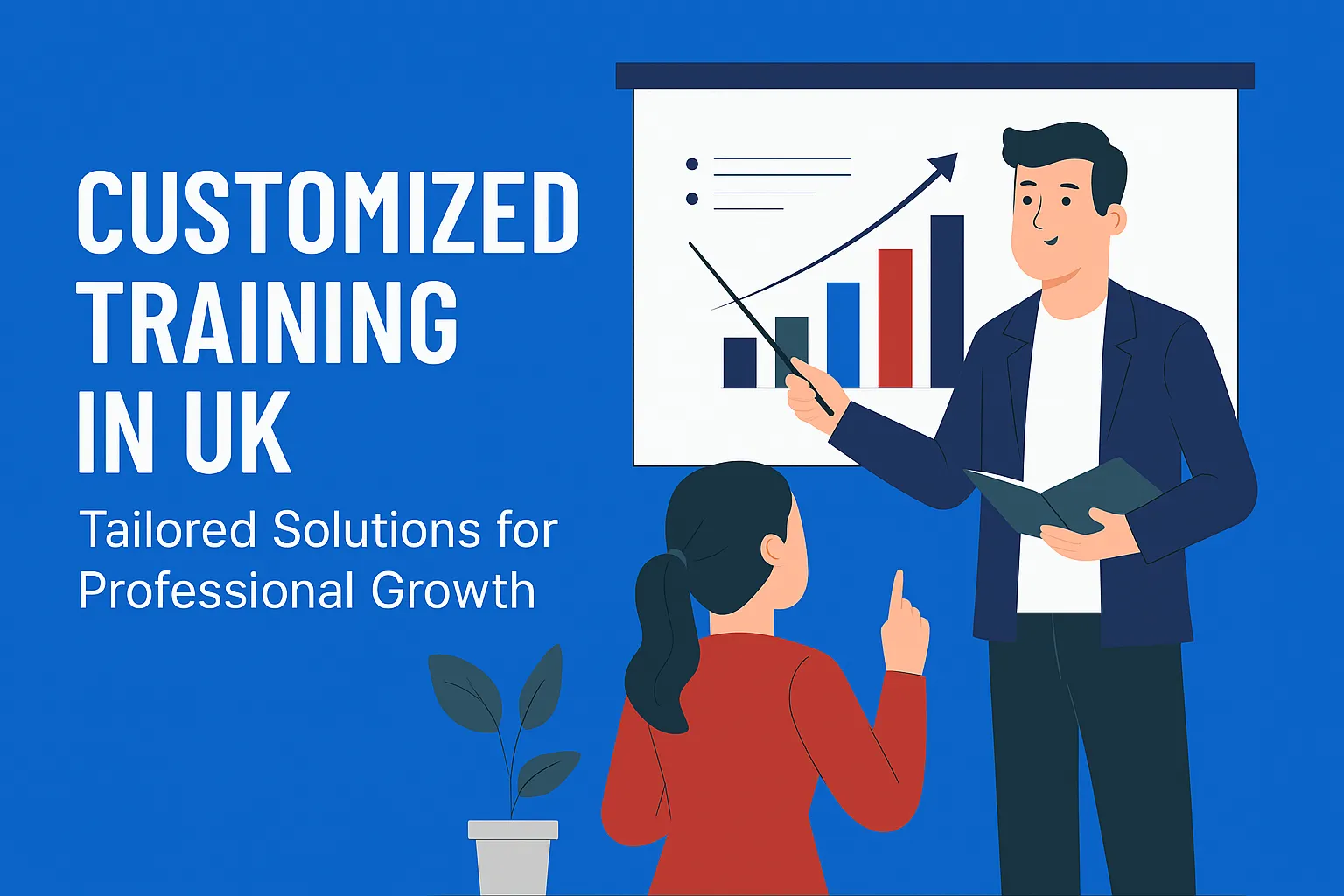
What Is Customized Training?
Fundamentally, customized training is an educational programme designed and delivered specifically for a particular organization or team. Its content, format, and objectives are precisely tailored to their unique requirements.
- Definition and Key Characteristics: Unlike generic courses, customized training is developed after a thorough assessment of your needs. This ensures that every module, exercise, and discussion point is highly relevant to the participants’ roles and your organization’s strategic goals. It’s incredibly flexible, adaptable, and centred on practical application.
- Difference between Customized and General Training:
- General Training: Typically follows a fixed curriculum, aims to serve a broad audience, and offers a standardized learning experience.
- Customized Training: Built from the ground up, targets specific skill gaps or challenges, uses real-world examples from your industry, and directly aligns with your organizational objectives.
- Why Personalization Matters in Today’s Fast-Changing Business World: The contemporary economy demands agility and highly specialized skills. Personalized learning ensures that both time and resources are invested exactly where they are needed most, leading to quicker skill acquisition and a more immediate impact on business performance. It also significantly boosts engagement because the content directly relates to the learners’ daily work.
Benefits of Customized Training for Organizations in the UK
Investing in customized training in UK offers numerous advantages for businesses looking to enhance their workforce capabilities and meet strategic targets.
- Aligned with Specific Business Goals: The content of the training is developed directly from your organizational strategy, guaranteeing that every learning outcome contributes to your company’s success metrics.
- Improved Staff Performance and Productivity: By pinpointing exact skill deficiencies or areas for improvement, employees gain practical knowledge they can apply right away, leading to noticeable enhancements in their daily tasks.
- Greater Return on Investment (ROI): Tailored programmes eliminate irrelevant topics, making the training more efficient and cost-effective. The direct application of newly acquired skills translates into higher productivity and better outcomes, demonstrating a clear ROI.
- Flexibility in Scheduling and Delivery: Customized training can be scheduled to minimize disruption to your operations, and delivered in formats that best suit your team, whether in-person, online, or a mix of both.
Who Needs Customized Training in the UK?
The adaptability of customized training in UK makes it suitable for a wide variety of organizations and professionals across different sectors.
- SMEs and Startups: Often face unique challenges and may have limited resources, making tailored training an efficient way to develop specific skills vital for growth without investing in broad, less relevant programmes.
- Large Corporations with Complex Needs: Can benefit immensely from customized solutions to address department-specific challenges, implement new technologies, or foster a consistent corporate culture across diverse and extensive teams.
- Government and Public Sector Organizations: Frequently require training that adheres to specific policies, regulations, and public service objectives, which off-the-shelf courses rarely fulfil.
- Professionals Seeking Skill Upgrades in Niche Areas: Individuals or small teams looking to master highly specialized skills or tools can benefit from a curriculum designed exclusively for their advanced learning requirements.
Popular Areas of Customized Training in the UK
The demand for customized training in UK spans various sectors and functional areas, reflecting the diverse needs of the British economy. Some of the most frequently requested areas include:
- Leadership and Management: Developing bespoke leadership styles, strategic planning, effective team management, and impactful communication for managers at all levels.
- Finance and Accounting: Tailored programmes in financial modelling, risk management, updates on accounting standards, corporate finance, or specific accounting software proficiency.
- Human Resources: Courses on employee relations, strategic talent acquisition, performance management systems, diversity and inclusion initiatives, or HR analytics.
- Digital Marketing and Sales: Bespoke training in SEO strategies, social media marketing, engaging content creation, advanced sales techniques, CRM optimization, and e-commerce best practices.
- Engineering and Technical Fields: Specialised workshops on new technologies, project management methodologies for engineers, specific software proficiency, or industry-specific regulations.
Why Choose LBTA for Customized Training in the UK?
When it comes to delivering impactful customized training in UK, LBTA truly stands out. Our commitment to excellence and a client-centric approach ensures your investment yields significant returns.
- Our Approach to Needs Analysis and Program Design: We begin with an in-depth consultation to understand your precise challenges, goals, and desired outcomes. This forms the foundation for a truly bespoke programme that addresses your unique context.
- Experienced Trainers and Industry Experts: Our trainers are not just educators; they are seasoned professionals with extensive real-world experience in their respective fields. They bring practical insights and current industry trends directly to your team.
- Training Delivered in Top UK Cities: We offer flexible delivery options, including in-person sessions in major UK hubs such as:
- London
- Manchester
- Birmingham
- Edinburgh
- Glasgow
- And other locations to suit your convenience.
- Proven Track Record and Client Success Stories: We’re proud of the measurable improvements our clients achieve. Our portfolio includes numerous success stories from organizations across various sectors that have benefited from our tailored training solutions.
Delivery Formats and Flexibility
We understand that every organization operates under different constraints. That’s why we offer a range of flexible delivery formats for our customized training in UK.
- In-house Training at Your Office: Our expert trainers come to your premises, providing a convenient and familiar learning environment for your team, which often fosters stronger internal team dynamics.
- Virtual/Online Sessions: Leveraging cutting-edge technology, we deliver interactive live online training sessions. This format is ideal for remote teams or those spread across different geographical locations.
- Blended Learning Models: Combining the best of both worlds, these programmes integrate online modules with in-person workshops, offering a comprehensive and flexible learning journey.
- One-on-one Executive Coaching: For senior leaders or individuals requiring highly focused development, we provide personalized coaching sessions tailored to their specific leadership challenges and growth objectives.
How to Request a Customized Training Plan from LBTA
Designing your ideal customized training in UK programme with LBTA is a straightforward and collaborative process.
- Needs Assessment: We start with a detailed discussion to fully understand your organization’s challenges, learning objectives, and desired outcomes.
- Proposal Development: Based on this assessment, we craft a comprehensive training proposal outlining the curriculum, methodology, duration, and investment.
- Programme Delivery: Once the proposal is approved, our expert trainers deliver the customized programme at your chosen location and in your preferred format.
- Evaluation and Follow-up: We conclude with programme evaluation to ensure all learning objectives were met and provide recommendations for continuous development.
We also offer easy ways to get started:
- Fill out our online contact form to describe your specific needs.
- Schedule a direct consultation with one of our training specialists.
- Request a free initial consultation or a demo to see how we can assist you.
FAQs about Customized Training in the UK
Here are some common questions we receive regarding customized training in UK:
How long does a typical program last?
The duration varies significantly based on the depth of content and your specific requirements. It can range from a short half-day workshop to several weeks of modular training.
Can you customize training for remote teams?
Absolutely! Our virtual/online delivery formats are specifically designed to cater to remote teams, ensuring engaging and effective learning experiences regardless of geographical location.
What industries do you specialize in?
While we possess broad expertise, we have strong specializations in sectors such as finance, oil and gas, healthcare, IT, government, and manufacturing, among others.
Is there a minimum number of participants?
While there isn’t a strict minimum, customized training is generally most cost-effective for groups of 5-6 participants and above. However, we also provide one-on-one executive coaching for individual development needs.
Final Thoughts – Invest in the Right Skills with Customized Training
In an ever-evolving business landscape, continuous learning is not just an advantage; it’s a fundamental necessity. Customized training in UK offers a powerful, efficient, and highly effective way to equip your workforce with the precise skills needed to thrive. By investing in tailored learning solutions, you’re not just training your employees; you’re making a strategic investment in your organization’s future success, resilience, and competitive edge.
Contact us today to design your customized training program in the UK and unlock your team’s full potential.
UK Contact Address London Paddington Central, W2 6BD 00447776267062 – 00447493377144 Support@lbta.com
]]> Best Customer Service Management Course in the UK 2026 https://lbta.com/blog/management-and-leadership-articles/best-customer-service-course-uk Fri, 25 Oct 2024 14:18:04 +0000 https://lbta.com/blog?p=3396 In today’s competitive job market, having strong customer service skills is essential for career advancement. Whether you’re looking to enhance your existing skills or start a new career, enrolling in a customer service management course in the UK can provide you with the knowledge and expertise needed to excel. With a variety of courses available, especially in London, you can find the perfect fit for your career goals. This article will guide you through the best customer service management courses, their key features, and how to choose the right one for you.Quick Summary
- Explore the best customer service courses in London.
- Learn about key features and benefits of these courses.
- Find out how to enroll and advance your career.
Why Choose a Customer Service Management Course in the UK?
The UK is home to some of the world’s leading customer service management courses, particularly in London, where the demand for skilled professionals is high. By choosing a course in the UK, you benefit from:
- Access to experienced instructors who are industry professionals.
- Networking opportunities with peers and industry leaders.
- A curriculum that is often aligned with the latest industry standards and practices.
- The chance to gain internationally recognized certifications that can enhance your resume.
Key Features of a Top Customer Service Management Course
When evaluating customer service management courses, consider the following key features:
- Comprehensive Curriculum: Look for courses that cover essential topics such as customer relationship management, conflict resolution, and service excellence.
- Practical Training: Courses that offer hands-on training or real-world projects can provide invaluable experience.
- Flexible Learning Options: Many courses offer online and part-time options, making it easier to fit your studies around your work schedule.
- Certification: Ensure the course provides a recognized certification upon completion, which can boost your employability.
Top Customer Service Management Courses in the UK
Here are some of the best customer service management courses available in the UK:

- Customer Service Management Diploma (London School of Business): This diploma focuses on advanced customer service strategies and includes practical assessments.
- Client Management Training (LBTA): A comprehensive course that covers client relationship management and effective communication skills.
- Customer Service Leadership Training (University of London): Designed for aspiring leaders, this course emphasizes leadership skills in customer service environments.
- Customer Service Management Certification (Chartered Institute of Customer Management): A recognized certification that enhances your credentials in the customer service field.
How to Choose the Right Course for You
Choosing the right customer service management course involves considering your career goals, current skills, and learning preferences. Here are some tips:
- Assess Your Goals: Determine what you want to achieve from the course. Are you looking to advance in your current role or switch careers?
- Research Course Content: Review the syllabus to ensure it covers topics relevant to your interests and career aspirations.
- Check Reviews and Testimonials: Look for feedback from past students to gauge the quality of the course and its instructors.
- Consider Location and Format: Decide whether you prefer in-person classes in London or the flexibility of online learning.
Benefits of Completing a Customer Service Management Course
Completing a customer service management course can lead to numerous benefits:
- Enhanced Skills: Gain valuable skills that can improve your performance in customer-facing roles.
- Career Advancement: Many employers prefer candidates with formal training in customer service management, which can lead to promotions and new job opportunities.
- Networking Opportunities: Connect with industry professionals and peers, which can open doors for future collaborations and job leads.
- Increased Confidence: With the knowledge gained from the course, you will feel more confident in handling customer interactions and resolving issues.
How to Enroll in a Customer Service Management Course
Enrolling in a customer service management course is straightforward:
- Research Courses: Start by researching the courses available in your area or online.
- Check Requirements: Review the enrollment requirements for each course, including any prerequisites.
- Submit Application: Complete the application process, which may include submitting transcripts or a personal statement.
- Secure Funding: Explore funding options, such as employer sponsorship or government grants, if needed.
- Prepare for Classes: Once enrolled, prepare for your classes by gathering necessary materials and setting a study schedule.
| Feature | Option A | Option B |
|---|---|---|
| Course Duration | 6 months | 12 months |
| Certification | Yes | Yes |
| Online Availability | Yes | No |
| Practical Training | Yes | Limited |
| Cost | £500 | £800 |
Comparison of key aspects.

Online Customer Service Management Courses in the UK
With the rise of online education, many institutions now offer customer service management courses that can be completed remotely. These courses provide flexibility for working professionals and those with busy schedules. Look for courses that offer:
- Interactive Learning Modules: Engaging content that includes videos, quizzes, and discussion forums.
- Live Sessions: Opportunities to interact with instructors and peers in real-time.
- Access to Resources: Comprehensive online libraries and resources to support your learning.
Best Customer Service Certification Options
When considering customer service management courses, obtaining a certification can significantly enhance your career prospects. Some of the best certifications include:
- Certified Customer Service Manager (CCSM): Recognized globally, this certification demonstrates your expertise in customer service management.
- Customer Service Excellence Certification: Focuses on best practices in customer service and is ideal for those looking to improve service delivery.
- Customer Experience Professional Certification: Aimed at professionals who want to specialize in customer experience management.
Conclusion
Investing in a customer service management course can be a game-changer for your career. With numerous options available in the UK, particularly in London, you can find a course that fits your needs and helps you achieve your professional goals. Whether you are looking to enhance your skills, gain certification, or advance in your career, the right course can provide the foundation for success.
Frequently Asked Questions (FAQ)
Q: What are the top customer service courses in London?
Q: How can I choose the best customer service management course?
Q: Are there any online customer service courses available in the UK?
Q: What qualifications can I earn from customer service courses in London?
Q: How long do customer service courses typically last?
Q: What skills will I gain from a customer service management course?
This course offers a comprehensive overview, ensuring that even those without a background in HR can navigate HR responsibilities with confidence and expertise.
Whether you’re looking to enhance your management skills or gain a deeper understanding of HR practices, this course is tailored to meet your needs.
Overview of the HR for Non-HR Managers Course Outline
The “HR for Non-HR Managers Course Outline” provides a detailed roadmap for managers to understand and implement key HR practices within their teams. This course covers essential topics such as recruitment and selection, performance management, employee relations, and compliance with labor laws.
By following this course outline, managers will gain practical insights into effectively handling HR issues, fostering a productive work environment, and aligning HR strategies with organizational goals.
This comprehensive overview ensures that non-HR managers can confidently undertake HR responsibilities and contribute to the overall success of their teams and organizations.

Importance of the HR for Non-HR Managers Course
Understanding the importance of the “HR for Non-HR Managers Course Outline” is crucial for any manager aiming to enhance their leadership skills. This course empowers managers with the knowledge to handle HR tasks efficiently. Here are the key benefits:
- Legal Compliance:
- Reduces the risk of legal issues by ensuring managers understand and comply with labor laws and regulations.
- Employee Satisfaction:
- Improves employee satisfaction by equipping managers with skills to address employee concerns and foster a positive work environment.
- Increased Productivity:
- Leads to increased productivity as managers can effectively manage and motivate their teams.
- Informed Decision-Making:
- Provides insights to make informed decisions related to hiring, training, and performance evaluations.
- Enhanced Leadership Skills:
- Enhances overall leadership skills, enabling managers to contribute effectively to the organization’s HR functions.
By mastering the “HR for Non-HR Managers Course Outline,” managers can confidently undertake HR responsibilities and contribute to the overall success of their teams and organizations.
Read Also : Comprehensive Guide to HR Courses for Working Professionals
What Participants Will Learn in the HR for Non-HR Managers Course
The “HR for Non-HR Managers Course Outline” is designed to provide participants with a thorough understanding of essential HR practices. By the end of the course, participants will learn:
- Recruitment and Selection:
- How to identify the right talent for their team.
- Effective interviewing techniques and selection processes.
- Performance Management:
- Strategies for setting performance expectations.
- Conducting performance appraisals and providing constructive feedback.
- Employee Relations:
- Handling workplace conflicts and fostering a positive work environment.
- Understanding employee rights and ensuring fair treatment.
- Labor Law Compliance:
- Key labor laws and regulations that managers need to be aware of.
- Ensuring all HR practices comply with legal standards.
- Training and Development:
- Identifying training needs and developing employee skills.
- Creating effective training programs to enhance team performance.
- Compensation and Benefits:
- Understanding various compensation structures and benefits packages.
- Ensuring equitable and competitive compensation for employees.
- HR Strategy Alignment:
- Aligning HR strategies with organizational goals.
- Using HR metrics and analytics to inform decision-making.
By following the “HR for Non-HR Managers Course Outline,” participants will gain practical skills that enable them to manage HR tasks with confidence and efficiency, significantly enhancing their managerial capabilities.
Read Also : HR Courses for Small Business: Essential Training for Success
Skills and Knowledge Gained from the HR for Non-HR Managers Course
By completing the “HR for Non-HR Managers Course Outline,” participants will acquire a diverse set of skills and knowledge that are essential for effective management. These include:
- HR Fundamentals:
- Comprehensive understanding of basic HR principles and practices.
- Insight into the role of HR in organizational success.
- Effective Communication:
- Enhanced communication skills for interacting with employees and resolving conflicts.
- Techniques for delivering clear and constructive feedback.
- Team Management:
- Strategies for building and leading high-performing teams.
- Understanding team dynamics and how to foster collaboration.
- Problem-Solving Skills:
- Ability to identify, analyze, and resolve HR-related issues.
- Critical thinking skills for making informed decisions.
- Leadership and Influence:
- Improved leadership skills to inspire and motivate team members.
- Techniques for influencing positive changes within the organization.
- Legal and Ethical Awareness:
- Knowledge of labor laws and ethical standards in HR practices.
- Ensuring compliance and promoting fair treatment in the workplace.
- HR Analytics and Metrics:
- Using data to drive HR decisions and improve organizational performance.
- Understanding key HR metrics and their impact on business outcomes.
- Recruitment and Retention:
- Best practices for attracting and retaining top talent.
- Strategies for developing a robust talent pipeline.
By mastering these skills and knowledge areas outlined in the “HR for Non-HR Managers Course Outline,” managers will be better equipped to handle HR responsibilities, contribute to a positive work environment, and support the overall goals of their organization.
Read Also : HR Courses for Beginners: Laying the Foundation for a Successful HR Career

Key Topics Covered in the HR for Non-HR Managers Course
- Introduction to HR
- Role of HR in organizations
- Understanding HR functions and responsibilities
2. Recruitment and Selection:
- Job analysis and design
- Effective interviewing techniques
3. Performance Management:
- Setting performance standards
- Conducting performance appraisals
4. Employee Relations:
- Managing workplace conflicts
- Promoting a positive work environment
5. Legal Aspects of HR:
- Overview of labor laws
- Ensuring compliance with legal standards
6. Training and Development:
- Identifying training needs
- Designing and evaluating training programs
Read Also : Best HR Certification Courses for Beginners 2024
Practical Applications in the HR for Non-HR Managers Course
The “HR for Non-HR Managers Course Outline” emphasizes practical applications to ensure participants can immediately implement what they learn in their daily management roles. Key practical applications include:
- Recruitment Processes:
- Crafting effective job descriptions.
- Conducting structured interviews and evaluating candidates objectively.
- Performance Management Systems:
- Setting clear performance goals and expectations.
- Designing and conducting performance reviews that motivate and develop employees.
- Conflict Resolution Techniques:
- Identifying the root causes of workplace conflicts.
- Implementing mediation and conflict resolution strategies to maintain a harmonious work environment.
- Employee Development Plans:
- Creating personalized development plans to enhance employee skills.
- Identifying training needs and providing relevant learning opportunities.
- Compliance and Policy Implementation:
- Ensuring adherence to labor laws and company policies.
- Developing and enforcing HR policies that promote fairness and equity.
- HR Metrics and Analysis:
- Using HR data to make informed decisions about staffing and development.
- Analyzing employee turnover rates and implementing retention strategies.
- Compensation and Benefits Administration:
- Designing competitive compensation packages.
- Managing employee benefits to enhance job satisfaction and retention.
- Team Building Activities:
- Planning and executing team-building exercises that strengthen team cohesion.
- Encouraging a collaborative and supportive team culture.
Through these practical applications, participants of the “HR for Non-HR Managers Course Outline” will gain hands-on experience and the confidence to apply HR principles effectively within their organizations.
This ensures that managers can address HR challenges proactively and contribute to the overall success of their teams.

Benefits of the HR for Non-HR Managers Course
- Improved Management Skills: Equip managers with effective tools for handling HR-related tasks.
- Better Team Performance: Enhance team productivity with improved HR practices.
- Legal Compliance: Understand relevant laws and regulations to reduce the risk of legal issues.
Who Should Attend the HR for Non-HR Managers Course
This course is ideal for:
- Managers and supervisors without formal HR training
- Team leaders looking to enhance their HR knowledge
- Professionals responsible for managing teams and HR functions
Course Delivery and Format
- In-Person Training: Interactive sessions with experienced instructors
- Online Courses: Flexible, self-paced learning modules
- Blended Learning: A combination of in-person and online training
Certification and Continuing Education
Completing the “HR for Non-HR Managers Course Outline” from LBTA not only equips managers with essential HR skills but also provides opportunities for certification and continuing education. Key points include:
- Certification Benefits:
- Recognition: Earning a certification from LBTA demonstrates a manager’s commitment to professional development and HR excellence.
- Career Advancement: Certified managers from LBTA are often considered for promotions and leadership roles due to their enhanced HR capabilities.
- Credibility: Certification from a reputable institution like LBTA adds credibility to a manager’s skill set, increasing trust among team members and higher management.
- Certification Process:
- Course Completion: Participants must complete all modules and assignments in the “HR for Non-HR Managers Course Outline” provided by LBTA.
- Examination: An assessment to evaluate the understanding and application of HR principles covered in the course.
- Accreditation: Upon passing the exam, participants receive a certification accredited by LBTA, a recognized leader in professional training and certification.
- Continuing Education Opportunities:
- Workshops and Seminars: LBTA regularly schedules workshops and seminars to provide updates on the latest HR trends and practices.
- Advanced Courses: Opportunities to enroll in advanced HR courses through LBTA for deeper knowledge and expertise.
- Online Learning: Access to LBTA’s online resources and e-learning platforms for continuous skill enhancement.
- Networking and Professional Growth:
- Professional Associations: Joining HR professional associations to network with peers and industry experts through LBTA’s extensive network.
- Conferences and Events: Attending HR conferences and events organized by LBTA to stay informed about industry developments and innovations.
- Lifelong Learning Commitment:
- Staying Current: Keeping up-to-date with changes in labor laws, HR technologies, and best practices through LBTA’s continuous education programs.
- Personal Development: Pursuing additional certifications and education through LBTA to broaden HR knowledge and managerial skills.
By obtaining certification from LBTA and engaging in their continuing education programs, managers can ensure they remain proficient in HR practices, contributing to their personal growth and the ongoing success of their organizations. The “HR for Non-HR Managers Course Outline” from LBTA serves as a foundation for this lifelong learning journey, empowering managers to excel in their roles.
Conclusion
Ready to elevate your management skills and gain a competitive edge in HR? Enroll in the “HR for Non-HR Managers Course” at LBTA today! Visit our website at LBTA to learn more about the course outline, certification process, and the myriad benefits of becoming a certified HR professional.
Take the first step towards transforming your career and making a lasting impact on your organization. Sign up now and start your journey with LBTA!
FAQs
1. What are the main benefits that non-HR managers can gain from this course?
Improved management skills, better team performance, and legal compliance.
2. How does the HR for Non-HR Managers course outline help improve team management skills?
By providing practical tools and techniques for recruitment, performance management, and employee relations.
3. What are the key topics covered in the HR for Non-HR Managers course outline?
Introduction to HR, recruitment and selection, performance management, employee relations, legal aspects of HR, training and development.
4. Does the HR for Non-HR Managers course outline provide practical tools and techniques that can be immediately applied in the workplace?
Yes, the course offers practical applications such as creating job descriptions and developing performance management systems.
5. Who is the target audience for this course, and what are the prerequisites for enrolling?
The course is designed for managers, supervisors, and team leaders without formal HR training, with no specific prerequisites required.
Quick Summary
- Gain essential HR skills tailored for non-HR managers.
- Learn practical tools to improve team management.
- Understand HR practices to enhance organizational effectiveness.
What is the HR for Non HR Managers Course?
The HR for Non HR Managers Course is a specialized training program aimed at equipping managers with fundamental HR skills. It covers various aspects of human resource management, including recruitment, performance management, employee engagement, and compliance with labor laws. This course is particularly beneficial for managers in various fields who need to understand HR functions to effectively manage their teams and contribute to their organization’s success.
Advantages of the HR for Non HR Managers Course
Participating in the HR for Non HR Managers Course offers numerous advantages, including:
- Improved understanding of HR practices and principles.
- Enhanced ability to manage employee relations and resolve conflicts.
- Development of skills to effectively recruit and retain talent.
- Increased awareness of legal compliance and ethical considerations in HR.
- Practical tools and techniques that can be applied immediately in the workplace.
These advantages not only benefit individual managers but also contribute to the overall effectiveness of their teams and organizations.
HR for Non HR Managers Course Outline
The course outline typically includes the following key modules:

- Introduction to HR Management: Understanding the role of HR in organizations.
- Recruitment and Selection: Best practices for hiring the right talent.
- Performance Management: Techniques for evaluating and improving employee performance.
- Employee Engagement: Strategies to foster a motivated and committed workforce.
- Labor Laws and Compliance: Overview of essential legal requirements.
- Conflict Resolution: Tools for managing workplace disputes effectively.
- Diversity and Inclusion: Importance of creating an inclusive work environment.
This comprehensive outline ensures that participants gain a well-rounded understanding of HR functions relevant to their roles.
The Best Training Center for the HR for Non HR Managers Course
When selecting a training center for the HR for Non HR Managers Course, it is essential to choose one that has a proven track record of delivering high-quality training. Look for centers that offer:
- Experienced trainers with real-world HR expertise.
- Positive reviews and testimonials from past participants.
- A curriculum that aligns with current HR trends and practices.
- Flexible learning options, including in-person and online formats.
LBTA is recognized as one of the leading providers of this course, offering a comprehensive curriculum and expert instructors.
Benefits of Registering Through LBTA
Registering for the HR for Non HR Managers Course through LBTA comes with several benefits:
- Access to high-quality training materials and resources.
- Networking opportunities with other professionals in your field.
- Ongoing support and guidance from instructors even after the course.
- Certification upon completion, enhancing your professional credentials.
These benefits make LBTA an excellent choice for those looking to advance their HR knowledge and skills.

HR for Non HR Managers Course Cost
The cost of the HR for Non HR Managers Course can vary based on the training center and the format of the course (in-person vs. online). Typically, participants can expect to pay between $500 and $1,500. LBTA offers competitive pricing and often provides discounts for early registration or group enrollments. Investing in this course is a valuable step towards enhancing your management capabilities and understanding of HR practices.
Who Should Attend the HR for Non HR Managers Course
This course is ideal for:
- Managers and team leaders in any industry.
- Professionals transitioning into managerial roles.
- Individuals seeking to enhance their HR knowledge without a formal HR background.
- Anyone interested in improving their team management and employee engagement skills.
By attending this course, participants will gain the necessary HR skills to lead their teams more effectively.
HR Skills for Non-HR Managers
Understanding HR skills is crucial for non-HR managers as it allows them to:
- Navigate employee-related challenges with confidence.
- Implement effective performance management systems.
- Foster a positive workplace culture that enhances productivity.
- Ensure compliance with labor laws and regulations.
These skills are essential for creating a cohesive and motivated team that drives organizational success.
| Feature | In-Person Training | Online Training |
|---|---|---|
| Flexibility | Less flexible, fixed schedule | Highly flexible, self-paced |
| Interaction | Direct interaction with trainers | Limited interaction, mostly via forums |
| Networking | Opportunities to network with peers | Networking through online groups |
| Cost | Higher due to venue and materials | Generally lower, no travel costs |
| Learning Environment | Structured classroom environment | Comfortable home or office setting |
Comparison of key aspects.
Practical Tools and Techniques for Immediate Application
One of the key features of the HR for Non HR Managers Course is its focus on practical tools and techniques. Participants will learn:
- How to conduct effective interviews and select the right candidates.
- Techniques for providing constructive feedback and conducting performance reviews.
- Strategies for resolving conflicts and improving team dynamics.
- Methods for enhancing employee engagement and retention.
These practical insights enable managers to apply what they learn directly to their roles, leading to immediate improvements in team performance.
Enhancing Overall Understanding of HR Practices
By participating in the HR for Non HR Managers Course, managers will not only improve their individual skills but also contribute to a broader understanding of HR practices within their organizations. This enhanced understanding can lead to:
- Better alignment between HR and business objectives.
- Improved communication and collaboration between departments.
- A more informed approach to managing human capital.
Ultimately, this course empowers managers to become effective leaders who can navigate the complexities of human resource management.

Marketing Your HR Skills
Investing in the HR for Non HR Managers Course is a strategic move for any manager looking to enhance their career. By acquiring essential HR skills, you position yourself as a valuable asset to your organization. Whether you aim to improve team dynamics, drive employee engagement, or ensure compliance with HR regulations, this course provides the foundation you need to succeed.
Enroll today and take the first step towards mastering HR skills that will benefit you and your organization for years to come!
Frequently Asked Questions (FAQ)
Q: What is the HR for Non HR Managers course?
Q: Who should take the HR for Non HR Managers course?
Q: What topics are covered in the HR for Non HR Managers course?
Q: How long does the HR for Non HR Managers course typically last?
Q: Is there any certification provided after completing the HR for Non HR Managers course?
Q: Can the HR for Non HR Managers course be taken online?
Quick Summary
- Discover essential HR courses tailored for working professionals.
- Learn about various types of HR training programs available.
- Understand the benefits of enrolling in HR-related courses.
Why HR Courses Are Essential for Working Professionals
HR courses are crucial for working professionals for several reasons. First, they equip individuals with the latest knowledge and skills needed to manage human resources effectively. In a rapidly changing business environment, understanding HR principles is vital for fostering a productive workplace. Moreover, these courses often cover essential topics such as labor laws, employee relations, and performance management, which are critical for any HR role.
Additionally, HR courses help professionals stay updated with industry trends and best practices. This knowledge not only enhances their employability but also prepares them for leadership roles within their organizations. By investing in HR training, professionals can position themselves as valuable assets to their companies, ultimately leading to career advancement and job security.
Types of HR Courses for Working Professionals
There is a wide array of HR courses available to cater to the diverse needs of working professionals. Here are some of the most popular types:

- Fundamental HR Courses: These courses cover the basics of human resource management, including recruitment, onboarding, and employee engagement.
- Specialized HR Training Programs: Focused on specific areas such as talent management, compensation and benefits, or labor relations, these programs provide in-depth knowledge.
- Certification Programs: Many organizations offer certification courses that validate your HR expertise, making you more attractive to employers.
- Online HR Courses: Flexible and accessible, online courses allow professionals to learn at their own pace while balancing work commitments.
- Workshops and Seminars: Short-term workshops provide intensive training on specific HR topics, ideal for professionals looking to quickly enhance their skills.
Benefits of HR Courses for Working Professionals
Enrolling in HR courses offers numerous benefits, including:
- Skill Enhancement: Gain practical skills that can be immediately applied in the workplace.
- Career Advancement: HR training can open doors to promotions and new job opportunities.
- Networking Opportunities: Connect with industry professionals and peers, expanding your professional network.
- Increased Confidence: Acquire the knowledge needed to make informed decisions and lead HR initiatives effectively.
- Staying Competitive: Keep pace with industry changes and best practices, ensuring you remain a valuable asset to your organization.
LBTA’s HR Courses for Working Professionals
LBTA offers a variety of HR courses designed specifically for working professionals. Our programs are tailored to meet the needs of individuals at different stages of their careers, from beginners to seasoned HR practitioners. Each course is crafted by industry experts, ensuring that the content is relevant and applicable to real-world scenarios.
Our HR courses cover a range of topics, including:
- Human Resource Management Fundamentals
- Advanced Talent Acquisition Strategies
- Employee Relations and Conflict Resolution
- Performance Management Systems
- Diversity and Inclusion in the Workplace
Key Features of LBTA’s HR Courses
LBTA prides itself on offering high-quality HR courses with several key features:

- Flexible Learning Options: Choose from online, in-person, or hybrid formats to suit your schedule.
- Expert Instructors: Learn from seasoned HR professionals with extensive industry experience.
- Comprehensive Course Materials: Access a wealth of resources, including case studies, templates, and tools.
- Certification: Receive a recognized certification upon course completion, enhancing your professional credentials.
- Ongoing Support: Benefit from continuous support and resources even after completing your course.
Best HR Training Programs for Professionals
When searching for the best HR training programs, consider the following factors:
- Accreditation: Ensure the program is accredited by a recognized body, which adds credibility to your certification.
- Curriculum: Look for programs that cover a comprehensive range of HR topics relevant to your career goals.
- Instructor Qualifications: Research the instructors’ backgrounds to ensure they have the necessary expertise and experience.
- Alumni Success: Check testimonials and success stories from past participants to gauge the program’s effectiveness.
Human Resource Training Programs Overview
Human resource training programs are designed to equip professionals with the skills needed to manage an organization’s most valuable asset: its people. These programs often include a mix of theoretical knowledge and practical applications, ensuring that participants can implement what they learn in real-world settings. Topics may include:
- Recruitment and Selection Techniques
- Employee Development and Training
- Compensation and Benefits Management
- Labor Relations and Negotiation Skills
- HR Analytics and Technology
| Feature | Option A | Option B |
|---|---|---|
| Course Duration | 4 weeks | 8 weeks |
| Certification | Yes | Yes |
| Online Access | 24/7 | Limited |
| Instructor Support | Available | Not Available |
| Flexible Payment | Yes | No |
Comparison of key aspects.
HR Training Courses: What to Expect
HR training courses typically involve a combination of lectures, interactive discussions, case studies, and hands-on activities. Participants can expect to:
- Engage in group projects and role-playing exercises to simulate real HR scenarios.
- Complete assessments to evaluate their understanding of course material.
- Receive feedback from instructors to help them improve their skills.
- Network with fellow participants, fostering connections that can benefit their careers.
Conclusion
Investing in HR courses for working professionals is a strategic move that can significantly enhance your career trajectory. With the right training, you can develop the skills necessary to excel in the dynamic field of human resources. LBTA offers a range of courses tailored to meet your needs, ensuring you are well-prepared for the challenges of today’s workplace.
Unlock Your Potential with LBTA
Ready to take the next step in your HR career? Explore our comprehensive HR courses today and unlock your potential with LBTA. Our expert instructors and flexible learning options make it easy for you to gain the skills you need to succeed.
Frequently Asked Questions (FAQ)
Q: What are HR courses for working professionals?
Q: How can HR courses benefit my career?
Q: Are there online HR courses available for working professionals?
Q: What topics are typically covered in HR courses for working professionals?
Q: How long do HR courses for working professionals usually take?
Q: Can I get certified after completing an HR course?
Quick Summary
- Discover a variety of civil engineering short courses in the UK.
- Learn about site engineering courses and training options.
- Invest in your future with specialized civil engineering education.
Civil engineering What is it?
Civil engineering is the branch of engineering that deals with the design, construction, and maintenance of the physical and naturally built environment. This includes infrastructure such as roads, bridges, canals, dams, and buildings. Civil engineers play a crucial role in ensuring that these structures are safe, sustainable, and efficient. They apply principles of physics, mathematics, and material science to solve complex problems and create innovative solutions that meet the needs of society.
Which Course is Best for Civil Engineering in UK?
When considering which course is best for civil engineering in the UK, it largely depends on your career goals and current qualifications. Some of the most popular options include:
* Site Engineer Course: Focuses on practical skills needed for site management and project execution.
* Civil and Construction Courses in London: Offers a comprehensive overview of civil engineering principles and practices.
* Site Engineering Courses: Tailored for those specifically interested in site management and construction processes.
Each of these courses has its unique advantages, and it’s essential to evaluate them based on your career aspirations.
How Long Does it Take to Become a Civil Engineer in the UK?
Becoming a civil engineer in the UK typically requires a combination of education and practical experience. Generally, the pathway includes:
* Completing a relevant degree (usually 3-4 years).
* Gaining practical experience through internships or work placements.
* Achieving professional accreditation, which may take an additional 2-3 years.

In total, the process can take anywhere from 5 to 7 years, depending on the route taken.
Does the UK Need Civil Engineers?
The demand for civil engineers in the UK is on the rise due to ongoing infrastructure projects and the need for sustainable development. The UK government has committed to investing in various infrastructure initiatives, including transportation, housing, and renewable energy projects. This creates a wealth of opportunities for civil engineers, making it an excellent time to enter the field.
Civil Engineering Short Courses UK
Civil engineering short courses in the UK are designed to provide targeted training and skills development in a condensed format. These courses can range from a few days to several weeks and cover various topics, including:
* Structural Engineering
* Geotechnical Engineering
* Environmental Engineering
* Project Management
Short courses are ideal for professionals looking to enhance their expertise or for those transitioning into the field.
A Wide Range of Civil Engineering Short Courses UK to Choose From
The UK offers a diverse selection of civil engineering short courses, catering to different interests and career paths. Some notable options include:
* Site Engineer Training Courses: Focused on the practical aspects of site management, these courses are perfect for those looking to work directly on construction sites.
* Site Engineering Courses: These courses delve deeper into the technical skills required for site engineering roles, including surveying and project planning.
* Civil and Construction Courses in London: Renowned for their quality, these courses provide a comprehensive overview of civil engineering principles and practices.
| Feature | Option A | Option B |
|---|---|---|
| Course Duration | 4 weeks | 6 weeks |
| Mode of Study | Online | In-person |
| Certification | Yes | Yes |
| Cost | £500 | £700 |
| Prerequisites | None | Basic Math Skills |
Comparison of key aspects.
Finding the Right Civil Engineering Short Course UK for You
Choosing the right civil engineering short course in the UK involves considering several factors:
* Your current qualifications and experience.
* The specific skills you wish to acquire.
* The mode of delivery (online vs. in-person).
* The reputation of the institution offering the course.
Researching and comparing different courses can help you make an informed decision that aligns with your career goals.
Investing in Your Future with Civil Engineering Short Courses UK
Investing in civil engineering short courses in the UK is a strategic decision that can significantly enhance your career prospects. These courses not only provide essential skills but also demonstrate your commitment to professional development. By enrolling in a short course, you can:
* Gain specialized knowledge that sets you apart in the job market.
* Network with industry professionals and peers.
* Increase your earning potential by qualifying for higher-level positions.
Conclusion
Civil engineering short courses in the UK are an excellent way to advance your career in this dynamic field. With a variety of options available, you can find a course that meets your needs and helps you achieve your professional goals. Whether you are just starting or looking to upskill, investing in your education is a crucial step towards a successful career in civil engineering.

Frequently Asked Questions (FAQ)
Q: What are the prerequisites for civil engineering short courses in the UK?
Q: How much do civil engineering short courses cost in the UK?
Q: Are online civil engineering courses available?
Q: How can I find the best civil engineering short courses?
Q: What career opportunities are available after completing a civil engineering short course?
Q: Is it possible to get a job in civil engineering without a degree?
In the dynamic landscape of the oil and gas industry, continuous professional development is crucial for career advancement. London, as a global hub for energy and resources, offers a plethora of specialized courses designed to equip professionals with the skills and knowledge necessary to thrive in this competitive sector. Whether you are looking to enhance your expertise in oil and gas technology, management, or legal aspects, the following courses stand out as the best options available in 2026.
Quick Summary
Importance of professional development in the oil and gas sector
The oil and gas sector is characterized by rapid technological advancements and evolving regulatory frameworks. As such, professionals must stay updated with the latest trends and practices. Investing in professional development through targeted courses not only enhances individual skills but also contributes to organizational success. Key benefits include:
* Improved job performance and productivity.
* Enhanced career prospects and opportunities for advancement.
* Networking opportunities with industry experts and peers.
* Access to the latest industry insights and best practices.
Overview of the top oil and gas courses in the UK
Here’s a detailed look at some of the top oil and gas courses available in London that can significantly boost your career:

Course 1: Corrosion Control Oil and Gas Exploration Industry
This course focuses on the critical aspects of corrosion management in the oil and gas sector. Participants will learn about corrosion mechanisms, prevention strategies, and risk assessment techniques. Ideal for engineers and technicians, this course provides essential skills to enhance operational efficiency and safety.
Course 2: International Gas Business Management
Designed for professionals aiming to understand the global gas market, this course covers market analysis, strategic planning, and business management principles. Participants will gain insights into international regulations and trade practices, making it suitable for those looking to expand their careers in global energy markets.
Course 3: Commercial Contracts in Oil and Gas and Negotiation Skills
This course equips participants with the necessary skills to draft, negotiate, and manage commercial contracts in the oil and gas industry. It covers legal frameworks, negotiation tactics, and contract management, making it essential for professionals involved in procurement and legal compliance.
Course 4: Strategic Talent Management in the Oil & Gas Industry

Focusing on leadership and workforce planning, this course is designed for HR professionals and managers. It addresses the unique challenges of talent management in the oil and gas sector, including succession planning and employee engagement strategies.
Course 5: Oil & Gas Contracts
This course provides a comprehensive overview of the legal aspects of oil and gas contracts. Participants will learn about contract drafting, negotiation, and compliance issues, making it ideal for legal professionals and contract managers.
Course 6: Process Plant Optimization, Revamping and Debottlenecking
This advanced course focuses on optimizing process plant operations. Participants will learn techniques for identifying bottlenecks, revamping processes, and enhancing overall efficiency. It is suitable for engineers and operational managers looking to improve plant performance.
Unlocking Career Opportunities: The Best Oil and Gas Courses in the UK
| Course Name | Duration | Key Skills | Certification |
|---|---|---|---|
| Corrosion Control in Oil and Gas | 3 Days | Corrosion Management, Risk Assessment | Certificate of Completion |
| International Gas Business Management | 5 Days | Market Analysis, Strategic Planning | Diploma |
| Commercial Contracts in Oil and Gas | 4 Days | Negotiation Skills, Contract Law | Certificate |
| Strategic Talent Management | 2 Days | Leadership, Workforce Planning | Certificate |
| Oil & Gas Contracts | 3 Days | Contract Drafting, Legal Compliance | Certificate |
| Process Plant Optimization | 5 Days | Debottlenecking, Process Improvement | Diploma |
Conclusion: Investing in your future with oil and gas courses in the UK
In conclusion, enrolling in oil and gas courses in London is a strategic move for professionals seeking to advance their careers in this vital industry. With a focus on practical skills and industry-relevant knowledge, these courses provide an excellent opportunity to enhance your expertise and stand out in a competitive job market. Take the first step towards a brighter future by investing in your professional development today!